- Starring
- Tynyshgul Sultanberdieva, Akerke Kozaiyr, Asset Eszhan
- Written by
- Yerkerzhan Baizhan
- Directred by
- Yerkerzhan Baizhan
- Run Time
- 1h 20min
Overall Score
Rating Summary
I think we all have a safe place where we can escape the troubles of the world. That place may change as we get older, but for many of us, our grandparents’ house was that refuge growing up. Grandparents have a way of making us feel special. But what happens when that safe place becomes a house of horrors? That’s the question filmmaker Yerkezhan Baizhan explores in her feature debut, Ürei, a movie that might make you think twice about your next visit to Grandma’s.
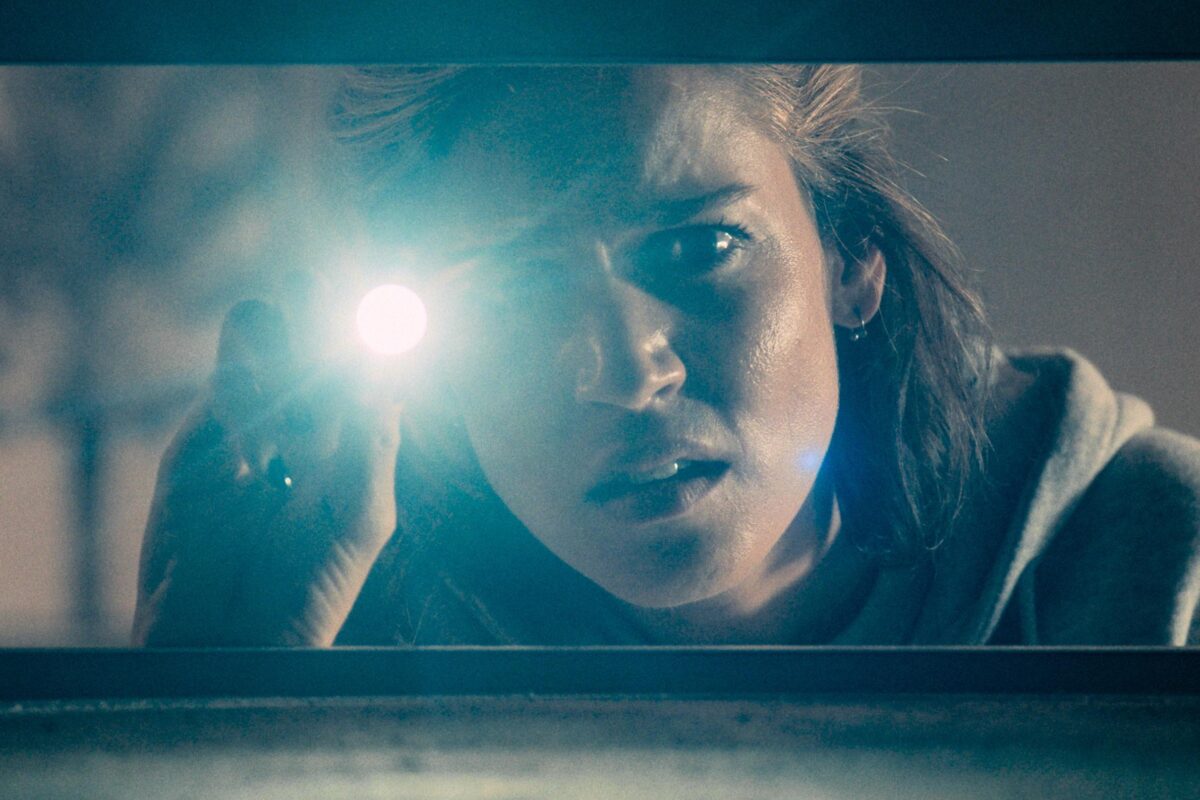
Kalima (Akerke Kozaiyr) has been acting out, and her parents decide that some time at her grandmother’s house might do her good. When they arrive, her grandmother, Amina (Tynyshgul Sultanberdieva), immediately comes to her defense, reprimanding her own daughter for yelling at her grandchild. A big plate of food and some much-needed affection soon follow. For Kalima, it’s the kind of attention and love she doesn’t often feel at home.
But that comfort starts to fade once night falls. Kalima hears Amina crying out and finds her wandering through the house. Amina brushes off her questions, but her behavior grows increasingly disturbing as she loses track of time and place. Old memories begin to take over, and she starts calling Kalima by the name of a boy she’s never heard of. Before long, Kalima is locked in a room, forced to endure whatever part Amina has assigned her in the memories she’s reliving.
Written and directed by Baizhan, Ürei tells a complex story about grief and trauma, with sadness and anger running through every scene. Baizhan keeps us close to Kalima, letting us experience the confusion and fear right alongside her. The descent into darkness is gradual, and the film takes its time revealing just how bad things might get. Its themes aren’t subtle, but they never feel belabored. Instead, each new development adds another layer to the pain this family carries. It’s a harrowing look at the ways people fail their children—and one another—and how those failures can continue to hurt the people they love.
For much of its running time, Ürei lets psychological horror do the heavy lifting. By the end, though, it shifts into full horror mode. Baizhan gives each stage of the story room to breathe, which makes those final moments hit even harder. She creates an unsettling atmosphere, while Kozaiyr and Sultanberdieva make the terror feel painfully personal. Both are terrific, making us feel every ounce of misery the film dishes out.
Ürei feels like a discovery, both as a movie that stays with you and as an introduction to Baizhan, whose debut suggests a bright future. For me, horror is especially well suited to stories like this because it makes us feel the damage these characters carry. The film is bleak, but beneath the terror is a reminder of how deeply parents shape their children’s worlds, often without realizing it. And the regret, grief, and sorrow that follow need no translation.
Member of the North Texas Film Critics Association, and lover of all things Cinema
Brian Taylor
Member of the North Texas Film Critics Association, and lover of all things Cinema