- Starring
- Jovan Ginic, Andjela Alavirevic, Karaulić Klara
- Written by
- Vladimir Arsenijevic, Miroslav Terzic, and Bojan Vuletic
- Directred by
- Miroslav Terzic
- Run Time
- 1h 34min
Overall Score
Rating Summary
In the digital age, there are no more secrets. What was once known by a few can now be known by millions, pushing what you can handle further than you might be able to take. Before the digital age, bullying existed, and it was bad, but when you came home, you were at least in a safe place. That’s not the case anymore. Everything follows you, and we’re seeing more and more films address that reality. Miroslav Terzić’s latest film, 3 Weeks After, is confident in what it wants to say and offers one bleak look at the lives of children growing up in one of Europe’s most unstable regions.
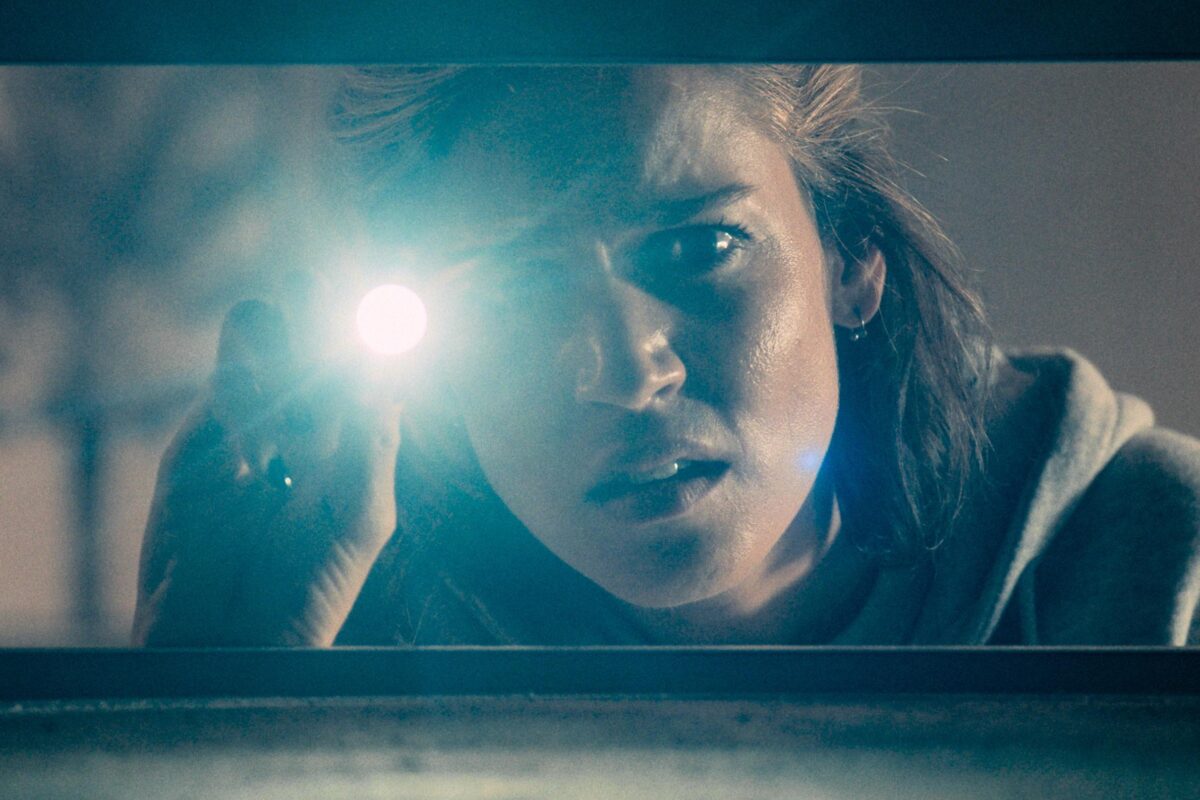
At an unnamed school, a group of teenagers and their teachers are about to take a trip into the Balkan Mountains. Tzotza (Jovan Ginić) has joined the trip, much to the surprise of both his classmates and the teachers chaperoning them. Most of the kids seem excited, blasting music and creating an almost party-like atmosphere. Tzotza, though, sits resigned and stoic, something the other kids are clearly not big fans of.
Slowly, we start to find out that his demeanor isn’t the reason for everyone’s attitude toward him. It’s something else.
Three weeks before the trip, Tzotza’s best friend, Andrija, killed himself after being relentlessly bullied by their classmates. Tzotza’s presence reminds everyone of what happened—and what pushed Andrija over the edge. When the trip is halted by a landslide, the tension that has been building starts to boil over, as the question of who exactly is to blame for Andrija’s death begins to hover over everything. By the time the class arrives at a very unwelcoming resort, they have crossed the point of no return. The kids turn their bullying toward Tzotza, and things end in the worst possible way.
Written by Vladimir Arsenijević, Bojan Vuletić, and Miroslav Terzić, with Terzić also directing, 3 Weeks After is a nightmarish and deeply pessimistic view of kids today that suggests they’re the exact opposite of what The Who told us: the kids are definitely not alright.
This is a portrait of adolescent cruelty at its worst. It’s unnerving and, at times, extreme, with the film offering little commentary on the behavior it shows beyond simply forcing us to witness it. The feelings you get while watching 3 Weeks After are intensified by both cinematographer Damjan Radovanović’s compositions, which use negative space incredibly well, and the film’s sound design, which puts you right into the uncomfortable spaces these characters occupy.
3 Weeks After turns a school trip into a claustrophobic chamber where cruelty and grief are everywhere around you. You know what you’re in for from the film’s opening shot: a static frame of an apartment building where one unit is on fire, with the intense sound of the flames filling the soundtrack. The camera then follows Tzotza as he observes the fire before walking away through a tranquil neighborhood, where the sound of the flames is eventually replaced by birds chirping.
That opening tells you almost everything you need to know about the film and sets the stage for what you’re about to experience.
Terzić uses long takes to instill a sense of dread, with the reasons behind that feeling becoming clearer as the story progresses. It proves that information doesn’t always have to be delivered quickly. The way Terzić slowly reveals what happened gives everything maximum emotional impact.
There’s a real feeling of control in Terzić’s direction throughout much of the movie, although his grip seems to loosen a little toward the end. The final shot is haunting, but by then some of the edge the movie had earlier has been lost. The message, however, never is.
3 Weeks After is terrifying, not because of monsters or anything supernatural, but because of the cruelty people are capable of inflicting on one another. It delivers a disturbing commentary on violence and bullying and, perhaps most unsettling of all, offers very little hope when it’s over.
Member of the North Texas Film Critics Association, and lover of all things Cinema
Brian Taylor
Member of the North Texas Film Critics Association, and lover of all things Cinema